I recently came across a student blog that was assigned as part of a research project regarding the COVID 19 pandemic. The student was asked to research and write a post comparing how two different countries dealt with the pandemic and compare the end results overall for how each country was impacted. The student blog I am referencing was written by Karianne Schanke, a student in Norway. Her blog can be accessed here. I found it interesting because she compared the affects of COVID in her own country and the USA where I live. She made some excellent points about where the United States fell short in communication, preparation and testing. Norway was more aggressive and they have a much smaller infection rate and death percentage. I enjoyed reading a COVID comparison from a student perspective and a person living in another country. I think this was an excellent way to combine research and blogging together.
Blog Feed
3-1: How Technology is Transforming My Classroom
This year all educators across the globe experienced an overnight demand for transformation in educational practices. It has been a whirlwind to say the least, but an experience that (I cannot believe I am typing this…) I am grateful for.
I have only been teaching for 4 years. Teaching is a second career for me. I began my career as a paralegal and decided early on that it was not a lifelong fit that would keep me content. I missed the educational environment, and working with youth. I missed learning! So, I went back to obtain my teaching degree and have never once looked back or had one regret.
With that being said the past four years has been the hardest I have ever worked professionally. I was hired to replace a history of teachers (not teaching history, teaching Culinary Arts) who taught the “old school” way. I swear to you, in 2016, they were still using overhead transparencies with dry erase markers to teach 21st century students.
Ok, there were a few digital PowerPoints created but they were basic: black and white or maybe even blue and green, but I could have fallen asleep just looking at them. And, that was it. I was given a text book, a crap ton of old transparencies with smudges and missing writing (some in cursive!) and a memory stick with a few boring as ever PowerPoints.
I was flabbergasted. I knew I had a TON of work ahead of me. The thought of plugging in an overhead projector that used a filament lightbulb and pulling down a white screen was like something from “Welcome Back Kotter,” (which I only know about because my mom watched reruns of it it when I was 5 years old). I could not and would not do that to my students. Last time I checked nobody in my classroom wears bellbottom jeans or platform shoes so why were some teachers still using the technology that existed when those fashions were trends? That’s just ridiculous.
I spent the next 3 years building and updating content and teaching along the way. I used materials out of an army green filing cabinet with a busted drawer and updated things as time allowed using Google Suites, YouTube, and a slew of other resources. It was a grand undertaking. I felt like I was flipping a house. I had to gut everything and start with just a framework and work some magic to transform these outdated classes. But, I was doing it and I was proud.
My four different classes became five. I created an entirely new course and students were loving it. The kicker is that I teach cooking. So many people ask me: “How can you teach cooking and use technology?” On instructional days, we use Glogster, Kahoot, Quizziz, Google Forms, YouTube, WeVideo…and the list goes on. On cooking days we use kitchens and things like chicken and olive oil. It is so much fun. Then came COVID 19.
I had such a good thing going. Now, I was faced with how to approach cooking fully online with no real cooking element. For the three years leading up to COVID, Iwas able to infuse cooking classes with technology during instructional days but now I was faced with the bigger challenge of teaching everything in a virtual setting. Even I was stumped…at first.
Within 72 hours I had a plan. I made a calendar and broke down each planned cooking lab into a virtual learning session. I have to admit, I did use a lot of YouTube. But, I also will admit, I gained a new outlook on YouTube as a teaching tool. YouTube is not just people doing pranks, or demonstrating new products. It is full of experts in tons of subjects sharing their knowledge. You just might have to dig around (which might mean spending hours and hours of late nights watching instructional educational videos instead of things like Tiger King on Netflix-even when that is what the rest of the world seems to be doing) to find exactly the right fit for what you are looking for. But, in the end I again flipped a house with technological magic. In fact, I flipped 3 houses and I am darn proud of them.
My Big, but Attainable Goals for Online/Blended Teaching
As a student in online courses I have learned a great deal. I have learned the ways that I love to learn. I have learned what stressed me out! I know the difference between an engaging class and an existing class.

My goals for my students in online or blended courses are for them to all feel welcome and for them to know that they are part of a community of learners (including me!). I thrive from learning from others and do it everyday. I want my students to be excited to share their ideas, thoughts and opinions because they are being heard. I also want my students to feel that the activities are fun, engaging and memorable and worthwhile. If these elements are in place, they will want to login because if they don’t they might be missing something really good going on!

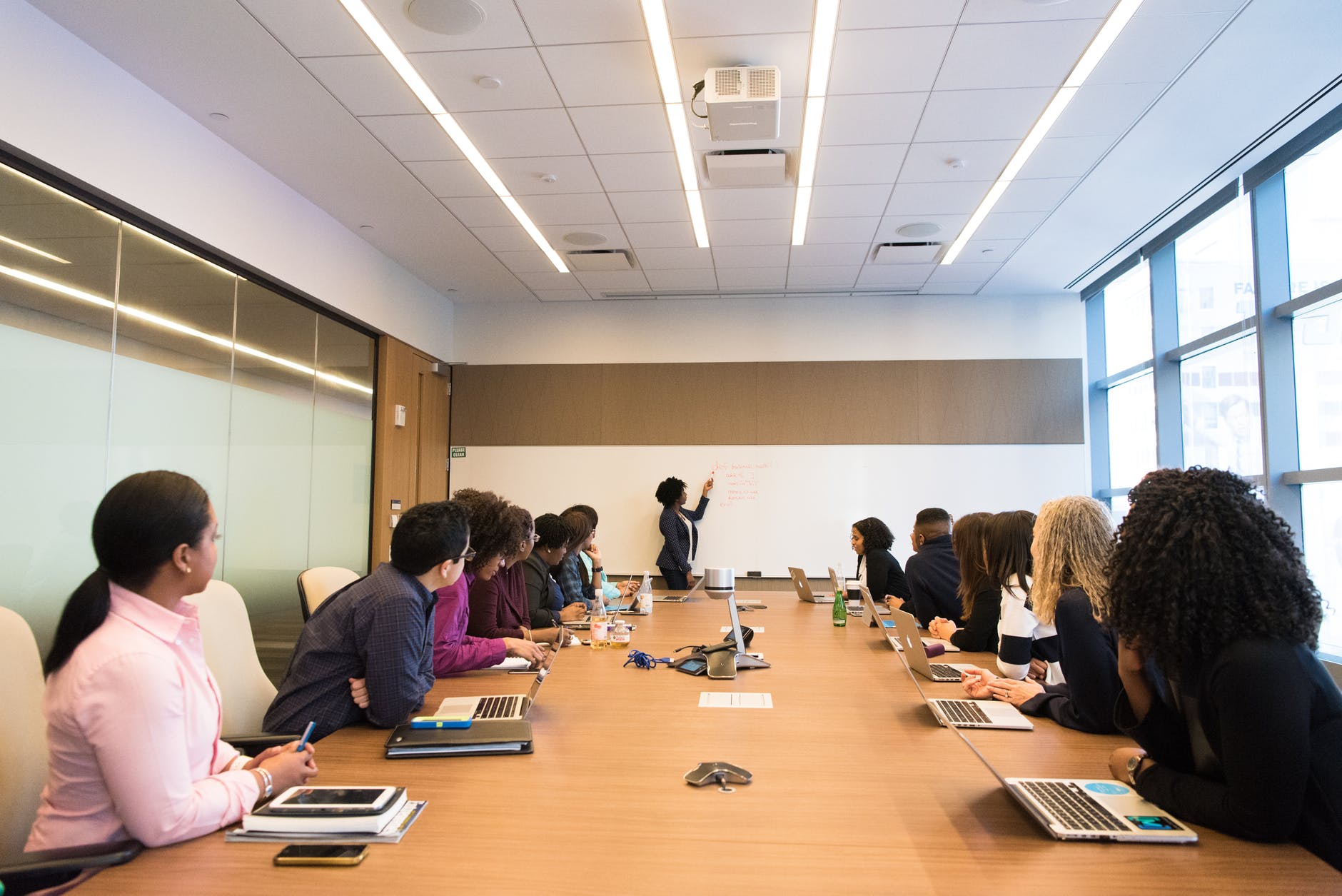

If You Engage Them, They Will Come!
Engaging lessons have always been something I strive for in my weekly planning. I am forever scouring the walls of the internet looking for the latest and greatest creative idea or technology platform to compete with the draws of social media, virtual pocket billiards or whatever distraction suckers are all the rage. Engagement is the name of the game, my friends. How do I intend to engage my students in online courses? First the content needs to be relevant to today and should be able to be applied to the lives of the students in some way. Also, content should be challenging but not overwhelming. Things need to be lively but meaningful. Just like I enjoy learning about the latest and greatest technology tools out there, so do students. I plan on staying one step ahead of them, so that I am still always able to introduce them to interesting ways to do the same old things. Videos are the way in to their brains. Students today live and breathe videos. Youtube is more watched then television at their ages. They learn anything and everything by watching videos and I use them as much as possible both from a learner’s and a teacher’s perspective.
Photo by Martin Lopez on Pexels.com
Cross That Road When You Get to It
The biggest challenges I foresee with online teaching will be in the planning ahead. I am a teacher that like to always be looking for new ideas and am constantly changing my content. I spend many weekend hours looking over my plans from my last sessions, and coming up with bigger better ways to reach the students. With online coursework things must be laid out in advance. Students need due dates and outlines that are pretty much static. There is not much room for last minute edits or changes. The course need to be framed out and planned before it even begins. For a teacher like me who is used to being in a constant state of motion with pulling this out and replacing it with that, I need to be ready to do all that work up front and realize that my edits and adjustments will have to wait until the next session is ready to start.
This challenge could be overcome with dedicating significant time upfront to the planning out every assignment, every week down to the details of each day. I would need to create the master plan up front and then work out all of the details regarding due dates, timing, and having super organized digital folders to upload all content as needed BEFORE the class even begins. The key to taking this all on would be in realizing it is a lot of front loaded work to start but will make monitoring the course much easier as it unfolds and moves along.
Welcome to My New Education Blog



Be yourself; Everyone else is already taken.
— Oscar Wilde.
This is the first post on my new blog. I’m just getting this new blog going, so stay tuned for more. Subscribe below to get notified when I post new updates.
 My Two Cents by Kim Barndt